This guide provides an operating framework, not legal, financial, safety, medical, licensing, or regulatory advice. Adapt it to your business and local requirements.
Start with structured intake
Capture the location, timing, frequency, affected areas, prior service, recent building changes, occupants, pets, and access constraints. Treat the reported pest as a lead, not a confirmed identification.
Inspect in a consistent sequence
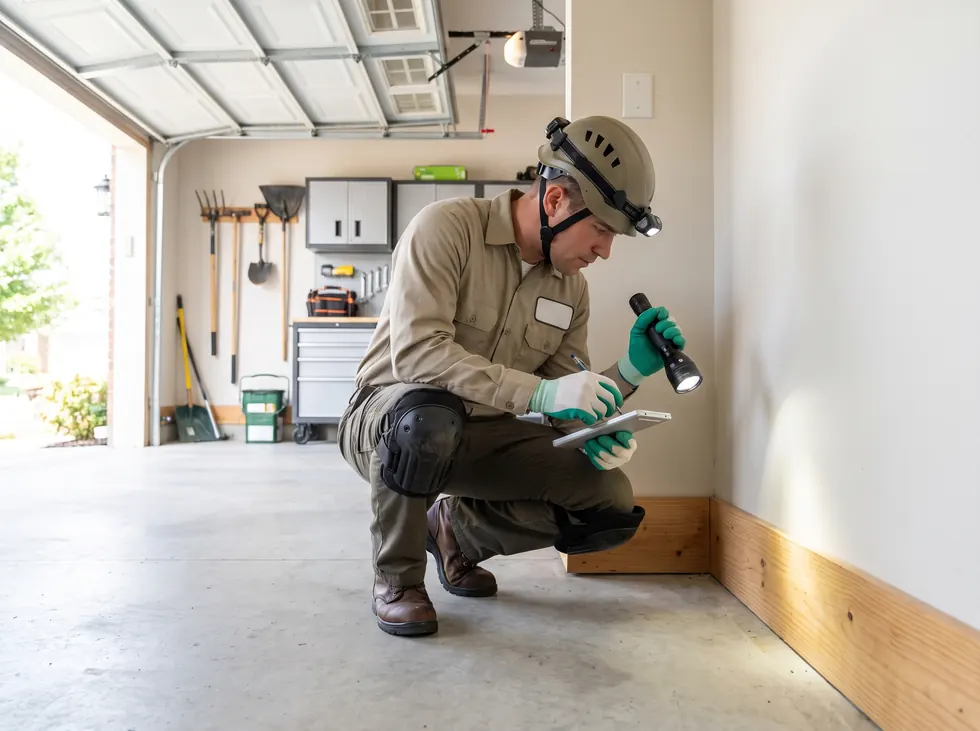
Use a route that reduces missed areas, such as exterior conditions, entry points, moisture, utility penetrations, storage, food areas, and reported hotspots. Adapt the sequence to the site and target issue.
Record evidence and limitations
Separate direct evidence from conducive conditions and assumptions. Note inaccessible areas, customer restrictions, weather, clutter, or construction conditions that limit inspection confidence.
Explain findings plainly
Connect observations to the proposed scope without overstating certainty. Customers should understand what was found, what was not verified, and why each next step is being recommended.
Define the follow-up before leaving
Set expectations for monitoring, customer actions, access, revisit timing, and what new evidence should trigger contact. A clear next step is part of the service, not an administrative extra.