This guide provides an operating framework, not legal, financial, safety, medical, licensing, or regulatory advice. Adapt it to your business and local requirements.
Define follow-up by service type
Routine prevention, monitoring, exclusion, and active-infestation work need different schedules and questions. Build follow-up rules around the service objective rather than one calendar reminder.
Capture a complete closeout
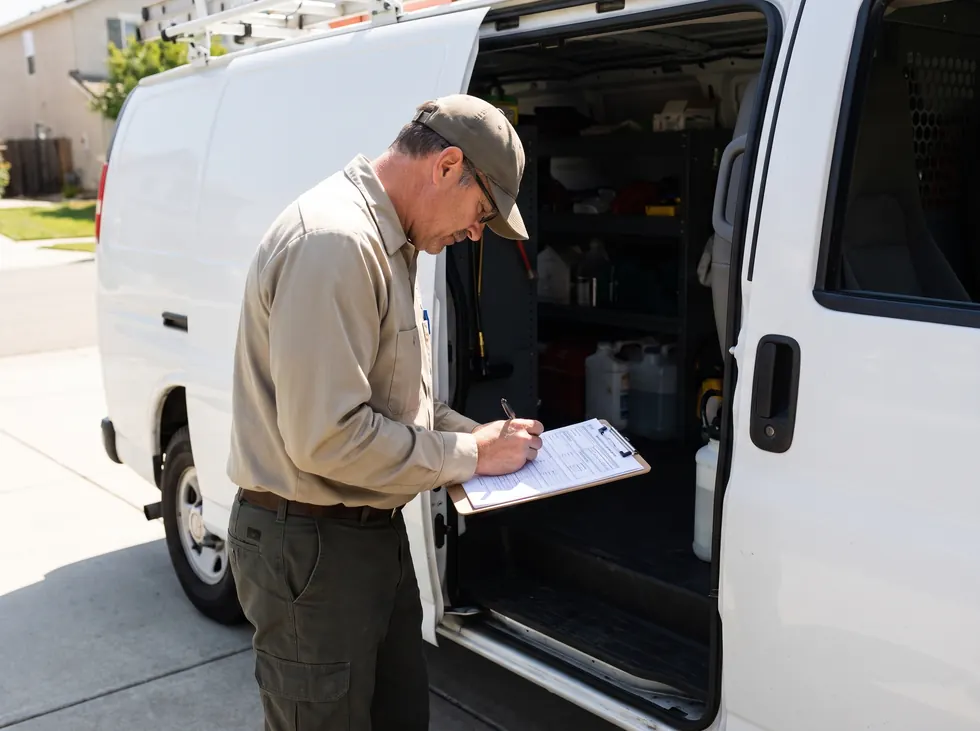
Require observations, work areas, materials or devices used as applicable, customer actions, limitations, and planned next steps. Use structured fields where consistency matters and notes where context matters.
Contact customers with purpose
Ask specific questions about activity, locations, timing, and completed recommendations. A focused check-in produces more useful information than a generic satisfaction message.
Route exceptions to an owner
Assign responsibility for new evidence, access failures, recurring conditions, or customer concerns. Unowned exceptions are likely to remain in an inbox until they become urgent.
Review recurring patterns
Look across callbacks and repeated visits for intake gaps, preparation failures, inaccessible areas, route timing, or unclear expectations. Use the pattern to improve the process rather than treating each event as isolated.